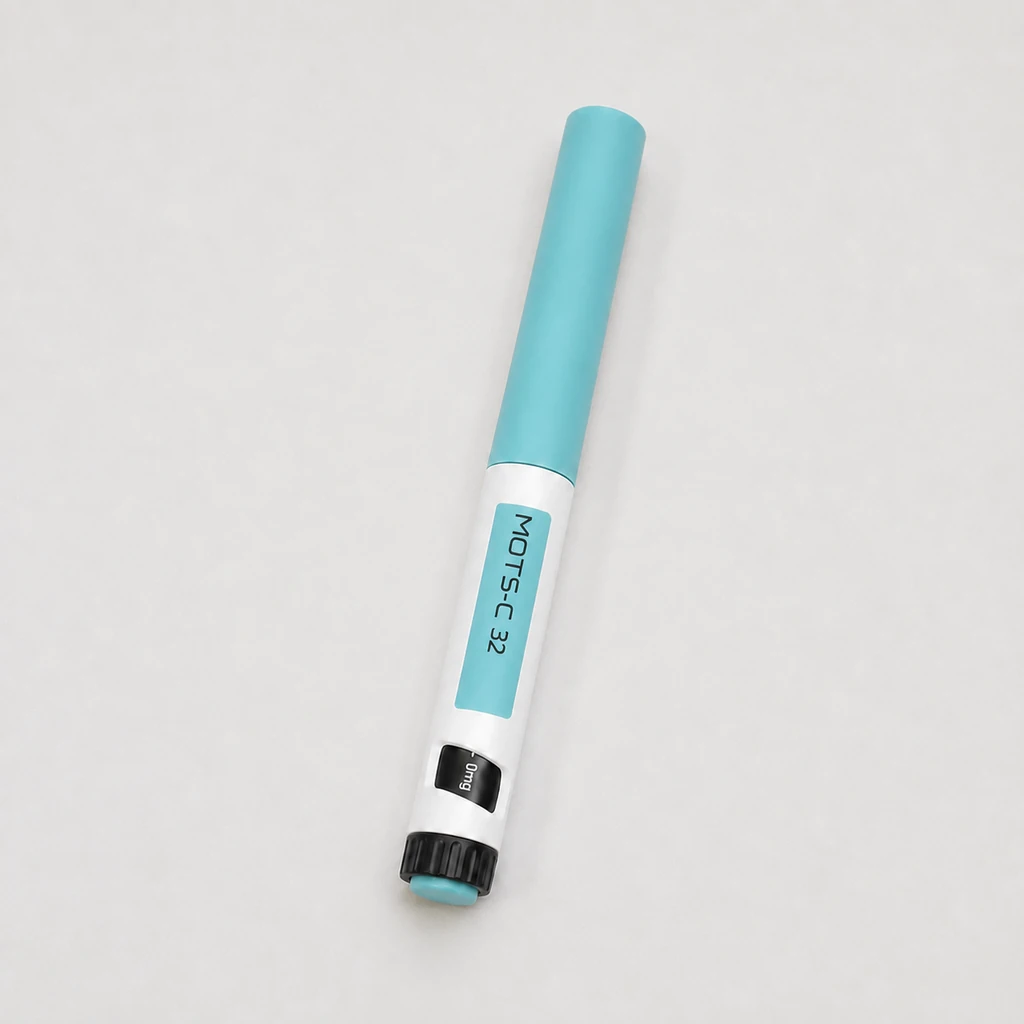
The CB4211 human trial does not establish that a MOTS-C 32 mg pen sold in Bali has the same effects. CB4211 is a developed analog of MOTS-c, and the trial record names CB4211 as the intervention. Before treating “studied in humans” as a purchasing advantage, match the actual substance, formulation and outcome to the product being offered.
The trial name is the first useful check
The ClinicalTrials.gov record NCT03998514 describes a phase 1a/1b study of CB4211 in healthy participants and people with nonalcoholic fatty liver disease. It lists 88 participants and a completed study. Its main focus was safety, tolerability and how the study drug behaved in the body.
That is a real research record, but the intervention field does not identify a retail MOTS-C pen. The MOTS-C product page describes a pen with 32 mg total labelled contents. Matching the broad mitochondrial-peptide category is not enough to connect that item to the study.
| Item being compared | What is documented | What remains separate |
|---|---|---|
| CB4211 trial | Named investigational intervention and protocol | Commercial MOTS-C products |
| Sponsor's description | CB4211 is an analog of MOTS-c | Proof that the two are identical |
| Catalogue pen | MOTS-C, 32 mg total contents | Clinical validation of that finished pen |
| “Completed” registry status | Study conduct ended | Approval or a successful retail treatment |
An analog is not just another brand name
In its 2021 results announcement, CohBar described CB4211 as an improved analog developed from MOTS-c. That wording identifies a relationship between compounds, not two labels for an interchangeable finished product.
A useful comparison therefore needs more than shared initials or a similar mechanism. Changes made while developing an analog are precisely why its own identity matters. A buyer cannot remove the development code from a trial and replace it with the name on a shop listing.
This does not make the research irrelevant. It makes it relevant to a narrower question: what happened when investigators studied that particular analog under that protocol? The answer should remain attached to the intervention tested.
Early clinical findings need their original endpoints
The sponsor's announcement reported early safety and tolerability observations and exploratory metabolic findings. It also described injection-site reactions. Those statements concern the CB4211 study; they are not a safety guarantee or outcome forecast for a different product.
A sponsor release and a full peer-reviewed trial report are different kinds of source. A registry explains the planned design and recorded study status. A results announcement can describe findings, but the reader should still ask which analyses were primary, which were exploratory and what comparison was made.
For example, a change from baseline is not automatically a benefit over placebo. If both groups change, the between-group comparison matters. Similarly, a trend in body weight is not the same statement as a confirmed clinically meaningful weight-loss effect.
What a 32 mg label cannot tell you
The total contents identify the size of the listed pen. They do not establish equivalence to a research regimen, a number of study visits or a guaranteed course length. Nor does a mass match establish molecular identity.
Keep these two documents in separate columns: the catalogue record and the primary study. Highlight the intervention name in each. If they differ, note the difference before reading any outcome numbers.
Our MOTS-C and NAD+ comparison addresses different biological categories. The narrower question here is whether a particular human study can support a claim about the item you might order.
Turn a study claim into a precise Bali enquiry
If an offer says “clinically tested”, ask which exact study, which tested formulation and what result support that statement. Ask whether the supplied product itself was investigated or whether the citation concerns a related molecule.
For the commercial part, identify the MOTS-C 32 mg pen, quantity and your actual location in Bali. Request the documents that describe the supplied item. The ability to arrange a convenient local handover does not answer the clinical-evidence question.
If your goal is to investigate persistent fatigue, a metabolic condition or another symptom, explain that goal to a qualified clinician. The phrase “mitochondrial support” is too broad to establish either a diagnosis or a suitable intervention.
Questions buyers ask
Does completed mean the trial succeeded?
No. Completed describes the study's operational status. Outcomes must be evaluated separately, and completion is not regulatory approval.
Is every human MOTS-C claim about CB4211?
Do not assume that. Open the source and inspect the intervention field. This article evaluates the specific CB4211 citation; it is not a claim that no other research record can exist.
Can I use the trial to choose an amount from the pen?
No. The studied analog and the catalogue product are different. The trial is not a dosing or device guide for a MOTS-C pen.
Sources & further reading
Educational information. For personal treatment decisions and instructions, consult a qualified clinician or pharmacist with the details of your exact product.