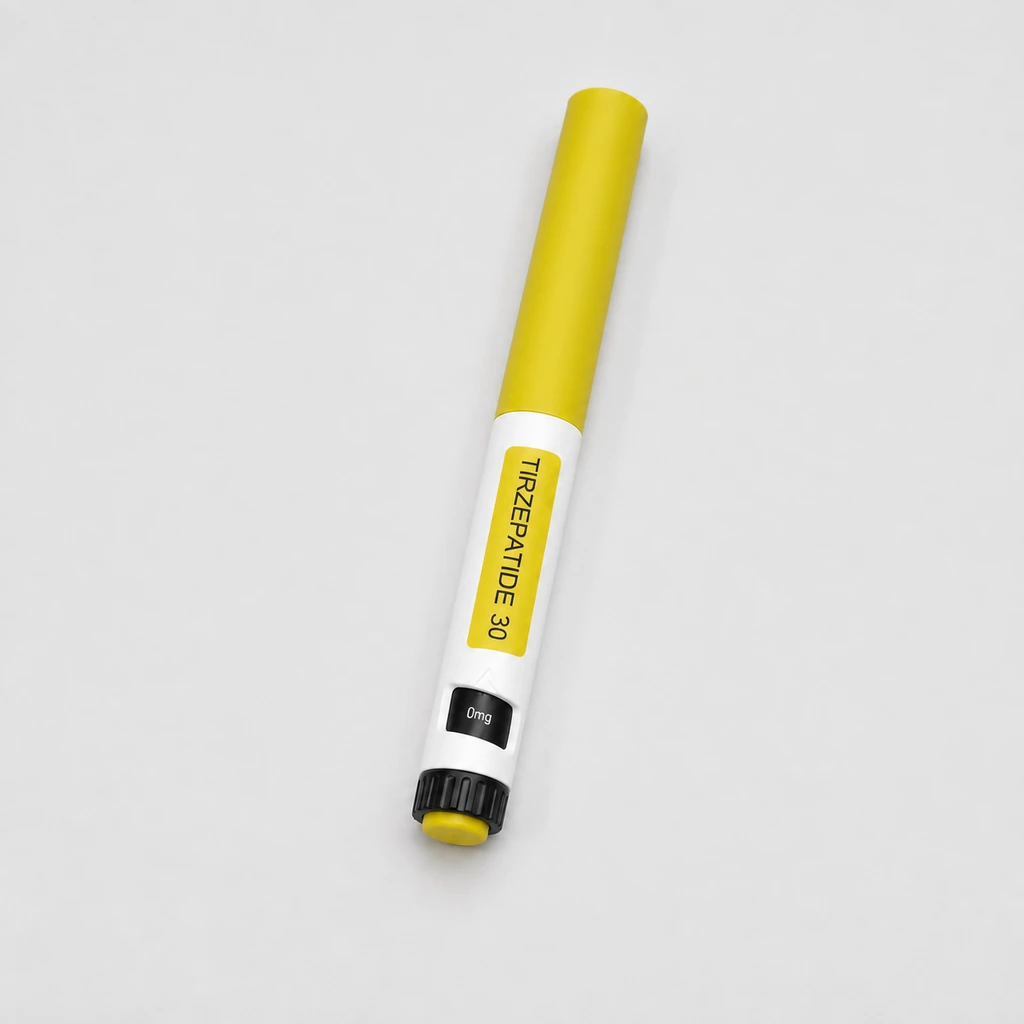
Tirzepatide produced greater average weight reduction than semaglutide in the 72-week SURMOUNT-5 trial in adults with obesity without diabetes. That is useful comparative evidence, but it does not identify the best treatment for every person or authenticate a pen sold in Bali. Read the result alongside the population, treatment conditions and exact product offered.
What the direct comparison found
The SURMOUNT-5 publication reports average weight reductions of 20.2% with tirzepatide and 13.7% with semaglutide at week 72. Participants were randomly assigned, but the study was open-label: the treatments were not concealed in the way they would be in a blinded trial. The comparison used specified maximum tolerated regimens, not equal milligram amounts.
| Detail | What it means when comparing products |
|---|---|
| Adults with obesity, without type 2 diabetes | The result describes this population |
| 72-week endpoint | It is not a prediction for a short Bali stay |
| Mean weight change | Individuals did not all obtain the average |
| Different active ingredients and regimens | Milligrams cannot be exchanged directly |
| Named study interventions | Results do not verify independently supplied pens |
Gastrointestinal adverse events were common in both groups in the trial. A weight-loss headline therefore cannot stand in for a discussion of tolerability, medical history and follow-up. More average weight loss is a meaningful result; it is not the entire treatment decision.
A percentage point is not a personal promise
The difference between 20.2% and 13.7% is 6.5 percentage points. It does not mean that every participant on tirzepatide lost an extra 6.5% or that a buyer can add that number to their expected result.
For someone starting at a hypothetical 100 kg, a 20% reduction would be 20 kg. This arithmetic explains what a percentage means; it does not forecast that person's outcome. Starting weight, actual treatment course and individual response still matter.
Be especially careful with claims that a drug is “50% better”. Relative comparisons can make a headline sound much larger than the absolute difference. Ask which outcome and denominator the statement uses before treating it as a purchasing advantage.
Why the diabetes comparison answers a different question
SURPASS-2 studied people with type 2 diabetes over 40 weeks and used a different semaglutide regimen. It provides another direct comparison, but it should not be merged with SURMOUNT-5 as if the two were one larger experiment with identical conditions.
If your question is about diabetes care, changes in glucose management and other medicines belong in the assessment. If your question is obesity treatment without diabetes, that clinical context should remain explicit. A table headed simply “best injection” hides the distinction.
When a page quotes a number, follow its source to the actual study. Check the population, comparator and endpoint. A citation containing the right drug name can still answer a different question from the one you are asking.
What the Bali catalogue actually offers
The tirzepatide listing has pens labelled 30 mg and 60 mg total contents. Those are pack descriptions, not the weekly regimens from either trial. The catalogue does not list semaglutide.
Do not identify a retail pen as Mounjaro, Zepbound or another authorised product solely because it contains the same named active ingredient. Manufacturer, formulation, presentation and regulatory documentation also matter. Our Mounjaro and Zepbound comparison addresses the brand-name distinction.
This is why a study can support a clinical discussion while leaving a purchase question unanswered. “Tirzepatide performed better on average in this trial” and “this pen is the studied medicine” are separate claims requiring separate evidence.
Make the consultation and order questions specific
Bring your current medicine name, treatment history and the exact proposed product to a qualified clinician. Explain whether the concern is response, side effects, continuity while in Bali or a different presentation. A useful conversation starts with that problem rather than a request for the largest study percentage.
For the commercial enquiry, provide the product link, selected variant, quantity and delivery area. Confirm the item and arrangements for the actual order. If your current supply was dispensed elsewhere, do not assume a locally available pen is a substitute merely because the names match.
Keep a copy of the response with the product details. That prevents a discussion of the 30 mg variant from becoming an order for 60 mg without anyone noticing. Neither variant name establishes a number of weeks of treatment.
Questions buyers ask
Does this prove tirzepatide is better for everyone?
No. It establishes a group-level advantage for weight reduction under the study conditions. Suitability and other treatment goals remain individual clinical questions.
Can I compare the two drugs by milligrams?
No. They are different active ingredients. Total pack contents and prescribed regimens are also different quantities.
Does the study mean I should switch?
The trial does not provide your switching plan. A clinician needs your current treatment and the exact proposed alternative. Do not combine or replace medicines on the strength of a comparison chart.
Sources & further reading
Educational information. For personal treatment decisions and instructions, consult a qualified clinician or pharmacist with the details of your exact product.