“My eyes feel different” leaves many questions unanswered. If you notice a visual change while taking tirzepatide in Bali, describe when it began and what changed, and seek appropriate medical assessment. The purpose of the note is to communicate clearly, not to decide the cause yourself.
Start with timing, not a diagnosis
Was the change sudden or gradual? Is it a new problem or a familiar one? What were you trying to see when you noticed it? Record those observations in plain language. Bring the medication list and previous eye report if readily available.
NIDDK's diabetic eye information distinguishes routine eye care from sudden symptoms needing immediate attention. Sudden changes, flashes, many more floaters or a curtain-like shadow should be assessed urgently. Do not delay care while trying to produce a perfect written record.
| Helpful observation | Example of the type of detail | Avoid assuming |
|---|---|---|
| Onset | When the change was first noticed | That timing proves a cause |
| Description | Blur, flashes or a shadow | That all symptoms mean the same thing |
| Previous history | Exact wording from the last report | That clear sight excludes disease |
Explain the diabetes context
The Mounjaro prescribing information advises monitoring patients with a history of diabetic retinopathy. It notes possible temporary worsening associated with rapid glucose improvement. That information belongs in the clinical discussion alongside existing findings and the course of treatment.
A lower glucose result does not itself explain a new visual symptom. Neither does the compound name on a pen. An assessment needs the actual history and examination rather than an assumption that all effects are shared by every formulation or every person.
Keep routine screening on its own track
Diabetic eye disease can lack early symptoms. A symptom-free period therefore does not automatically cancel the follow-up plan. Ask what examination is due and retain its purpose and date in the record.
If you are staying in Bali while your usual clinician is abroad, keep the original report and a clear account of any new assessment. Share the findings with the provider who will continue care after the trip. This guide does not verify a particular local clinic or an appointment opening.
Product information has a different job
The Tirzepatide product listing describes catalogue formats. The catalogue helps compare those products. A manager can clarify the order; a clinician assesses symptoms and decides on monitoring or treatment changes.
Can I diagnose retinopathy from a symptom list?
No. A symptom list helps communicate why assessment is needed, but it cannot establish a retinal diagnosis or its cause.
What if I have no symptoms?
Continue the eye-care plan advised for your circumstances. Early disease can be symptom-free, so routine follow-up and symptom assessment answer different questions.
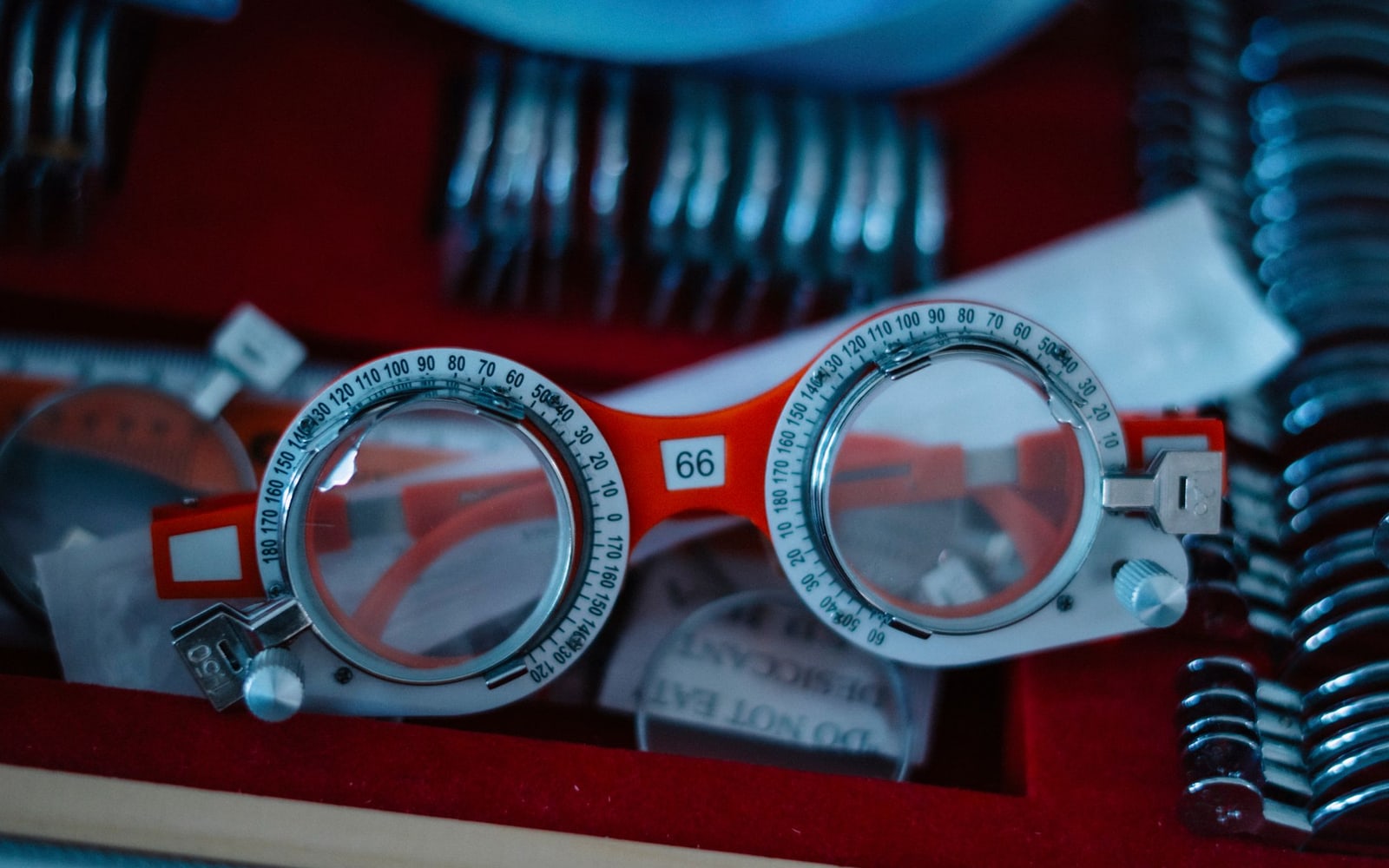
Photograph: Fernando Capetillo · Pexels. Optometry equipment, illustrating eye-examination records and follow-up. Illustrative stock photograph; it does not show the study preparation or its results.
Sources & further reading
Educational information. For personal treatment decisions and instructions, consult a qualified clinician or pharmacist with the details of your exact product.