If two glucose reports use different units, compare the labels before comparing the numbers. This is particularly useful when researching tirzepatide in Bali with records from another country. HbA1c and blood glucose are different measurements, and each can be reported in more than one convention.
The tirzepatide product page describes what is listed in the catalogue. Laboratory units describe a person's test result. One cannot be used to calculate the other, and neither provides a personal dose through this article.
An unlabeled number is an incomplete result
Messages such as “my glucose is six” leave too much unsaid. Which test was performed? What unit was used? Was this a laboratory sample or a device reading? What was the timing? Answer those questions before interpreting the apparent difference.
| Label on the document | Meaning to preserve | Do not confuse it with |
|---|---|---|
| HbA1c percentage | A glycated hemoglobin reporting convention | A meter glucose value |
| HbA1c mmol/mol | Another HbA1c convention | Blood glucose in mmol/L |
| Glucose mmol/L | A glucose concentration unit | HbA1c mmol/mol |
| Glucose mg/dL | Another glucose concentration unit | Total milligrams in a product |
The similar abbreviations can be deceptive. Keep the complete unit, including the denominator. Do not remove it because the number looks familiar.
Different measurements cover different periods
The NIDDK explanation of HbA1c describes the longer-term view provided by that test and circumstances in which it can differ from other glucose measurements. A fasting sample or home reading has a more specific sampling context.
That difference means the measurements should not be expected to behave as duplicates. A recent reading does not summarise the same period as HbA1c. When the pattern seems inconsistent, ask the clinician which explanation or confirmation is appropriate.
Keep a complete record rather than choosing only the most encouraging result. If another medicine or testing method changed, mention it. The purpose is to support interpretation, not to build an argument that a product must be working or failing.
Reading tirzepatide study numbers
The SURPASS-2 publication assessed glycated hemoglobin in adults with type 2 diabetes. A reported change belongs to its population, baseline and follow-up period. It is not a universal target for people browsing weight-management products.
Check whether a figure describes a final value, an absolute change or a between-group difference. If a hypothetical percentage moves from 8% to 7%, that is one percentage point; it is not the same wording as a one-percent relative reduction. The example explains notation, not a desired clinical outcome.
The original publication is more useful than a social-media graphic that removes the comparator or unit. Save the reference with your question so the clinician can identify exactly what you are asking about.
Comparing overseas and Bali reports
Bring both original documents to the review. A translation can help, but it should preserve test names, units, dates and reference information. Ask the clinician or laboratory to reconcile different conventions rather than relying on an unlabeled online conversion.
For someone spending part of the year in Bali, a single dated folder can prevent reports from being scattered across messages. Include current medicines and the records requested by the treating professional. Confirm who will review the next test if you travel before the result arrives.
This organisational step does not require assuming that a particular laboratory or clinic is available in every neighbourhood. Confirm the actual service and preparation instructions directly with the provider involved.
How to keep a product enquiry useful
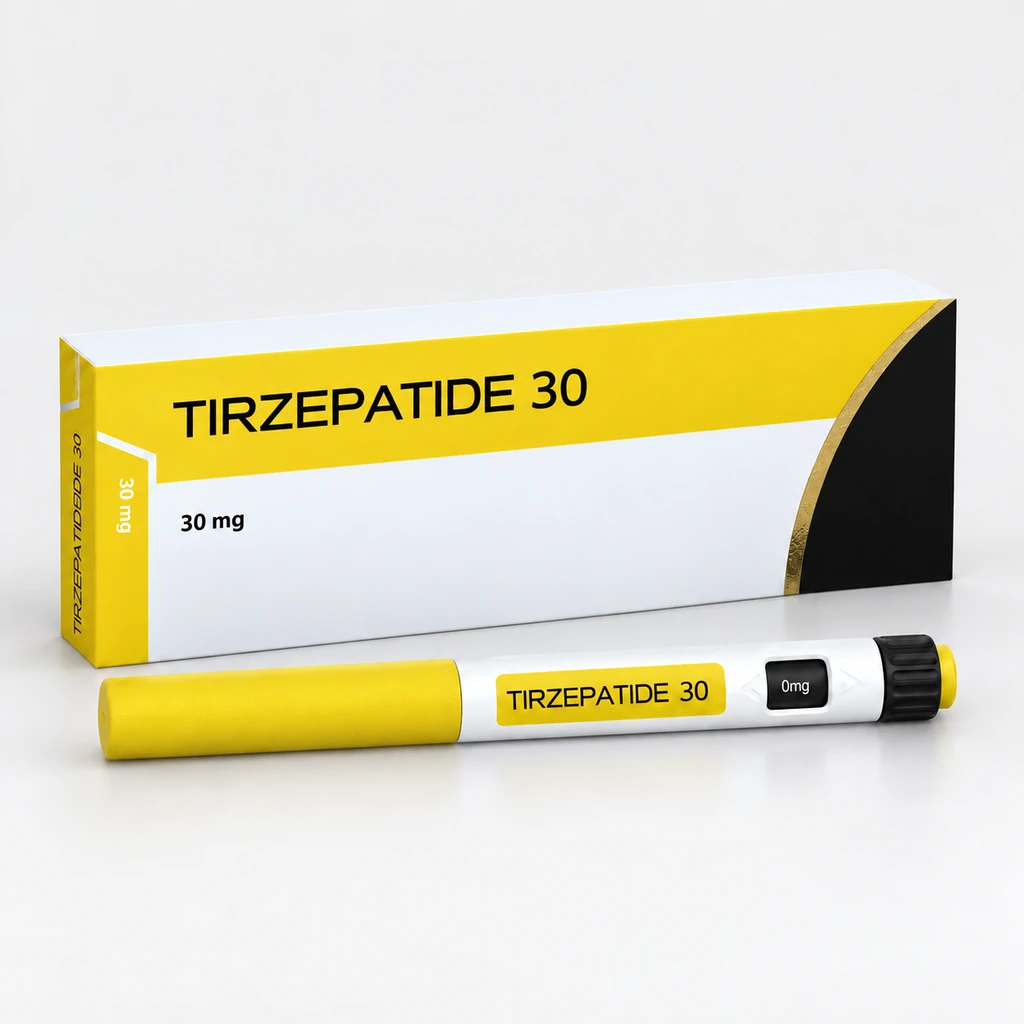
Use the catalogue to identify the exact tirzepatide presentation. Ask about the listing and relevant product documents. A total quantity on a label is not equivalent to a laboratory concentration or a treatment target.
If your question concerns unexpected glucose readings, direct it to the clinician responsible for your treatment. Do not change prescribed glucose-lowering medicines or pen settings to imitate a trial average. A personal decision requires more context than a product page can provide.
FAQ
Is mmol/mol the same as mmol/L?
No. In this context they can refer to different measurements. Retain the full test name and unit.
Can a smaller number simply reflect a different unit?
Yes, which is why the label matters. Ask for a proper comparison of the complete reports.
Does an HbA1c result choose my tirzepatide format?
No. Clinical targets and product presentation are separate questions requiring different information.
Sources & further reading
Educational information. For personal treatment decisions and instructions, consult a qualified clinician or pharmacist with the details of your exact product.