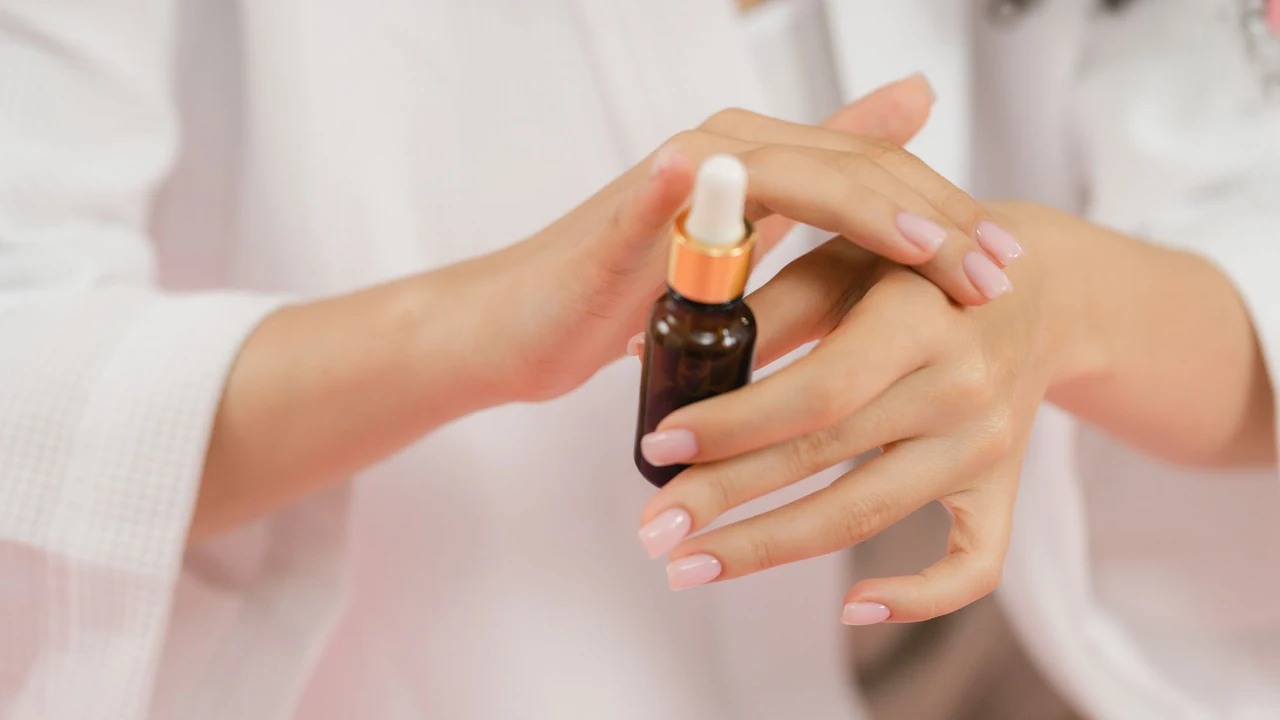
GHK-Cu is a copper peptide; Bakuchiol is a plant-derived compound used in cosmetics for visible signs of aging. If your goal is smoother-looking skin, the meaningful comparison is between finished topical formulas and their wrinkle, texture or pigmentation results. When comparing GHK-Cu products in Bali, Indonesia, distinguish a topical cosmetic from a pen before applying findings about skin or hair.
Bakuchiol has been tested in a small randomized facial-photoaging trial. GHK-Cu has a different research background, including experiments on collagen production. These offer different reasons for interest, without establishing a clinical winner between the two ingredients.
What is in each formula?
GHK-Cu contains three amino acids bound to copper. Bakuchiol is a phenolic compound, not a peptide and not a retinoid, even when a product calls it a “retinol alternative.”
That identity matters more than the broad phrase “anti-aging serum.” A product may combine either ingredient with moisturisers, oils or other actives. The full composition determines whether it feels like a light layer or a substantial cream and whether it duplicates something already in your routine.
The amount of Bakuchiol is also not an equivalent strength of GHK-Cu. Comparing their percentages as though they were the same ingredient would give a misleading ranking.
Fine lines and uneven pigmentation
In a 44-person trial, participants used 0.5% Bakuchiol twice daily or 0.5% retinol daily for 12 weeks. Both groups improved in wrinkle area and hyperpigmentation, with no statistically significant difference between groups. Retinol users reported more scaling and stinging. GHK-Cu was not studied in that comparison.
For GHK-Cu, an early cell-culture study found increased collagen synthesis in fibroblasts. It explains why the copper peptide is discussed in relation to skin structure, while measuring a different outcome from visible facial changes.
For the buyer, this makes the question more specific: does the finished product have results for the concern being addressed, or is the description mainly explaining its ingredient's biology?
Choosing the step you actually need
If you already have a comfortable moisturiser, consider whether the proposed product adds a distinct purpose or simply another similar layer. If a heavy texture discourages regular use, a lighter formula may fit your routine better regardless of the highlighted active.
“Plant-derived” describes Bakuchiol's origin, not an assurance that every formula suits every skin type. Likewise, “copper peptide” does not describe the fragrance, texture or other ingredients surrounding GHK-Cu.
A sensible comparison puts two suitable topical products beside each other: intended use, complete formula, texture, container size and relevant results. There is no need to add both merely because their mechanisms differ; one well-chosen step can keep the routine easier to understand and assess.
A shopping comparison starts with the route
Put the product type ahead of the highlighted ingredient. If the goal is a facial skincare step, compare a bakuchiol cosmetic with a copper-peptide cosmetic intended for the same area. Check the complete ingredient lists, pack volumes, directions and evidence for the finished formulas. Do not compare a serum percentage with the total milligrams printed on a pen.
The GHK-Cu product listed here is a prefilled pen with 50 mg total contents. It is not a bakuchiol alternative serum. Topical skincare studies do not establish a cosmetic outcome for that pen, and this article does not imply that a bakuchiol product is stocked in this shop.
For two appropriate cosmetics, price per millilitre can help compare pack costs. It still cannot identify the more effective formula. A smaller pack may also be a different purchasing commitment from a large set; include the products you actually intend to buy in the comparison rather than unused extras.
Buyer questions
Does “retinol alternative” mean the same product as retinol?
No. Bakuchiol is a different compound. The small trial above compared specific formulas; it does not make every product carrying that phrase interchangeable.
What should I confirm before adding to the cart?
The exact product name, intended route, full composition and pack size. If those do not match the skincare step you wanted, resolve the mismatch before ordering. A shared anti-aging category is not enough.
Identify the skin product before ordering in Bali
Start with the route of use. A cosmetic ingredient list describes a topical formula; a pen has a different presentation and documentation. Check which product and route were actually studied before using a skin or hair headline to compare offers. For a cosmetic routine, introduce changes in a way that lets you tell which product you used; keep photographs under similar lighting.
Product formats to compare in Bali
Compare the following catalogue entries with the product or route discussed above. The stated amount is the total labelled pack content, not a dose or a promise of how long it will last.
| Catalogue product | Labelled contents | What to distinguish |
|---|---|---|
| GHK-Cu | 50 mg / pen | Pen presentation; cosmetic-serum evidence belongs to its tested formulation. |
Confirm your Bali order
For Canggu, Berawa, Pererenan, Umalas, Seminyak or Uluwatu, send the exact product, quantity and destination. Ask the team to confirm the delivery arrangements for that address before relying on a proposed time.
View all pen formats · Ask about the exact product on WhatsApp
Sources & further reading
Educational information. For personal treatment decisions and instructions, consult a qualified clinician or pharmacist with the details of your exact product.